
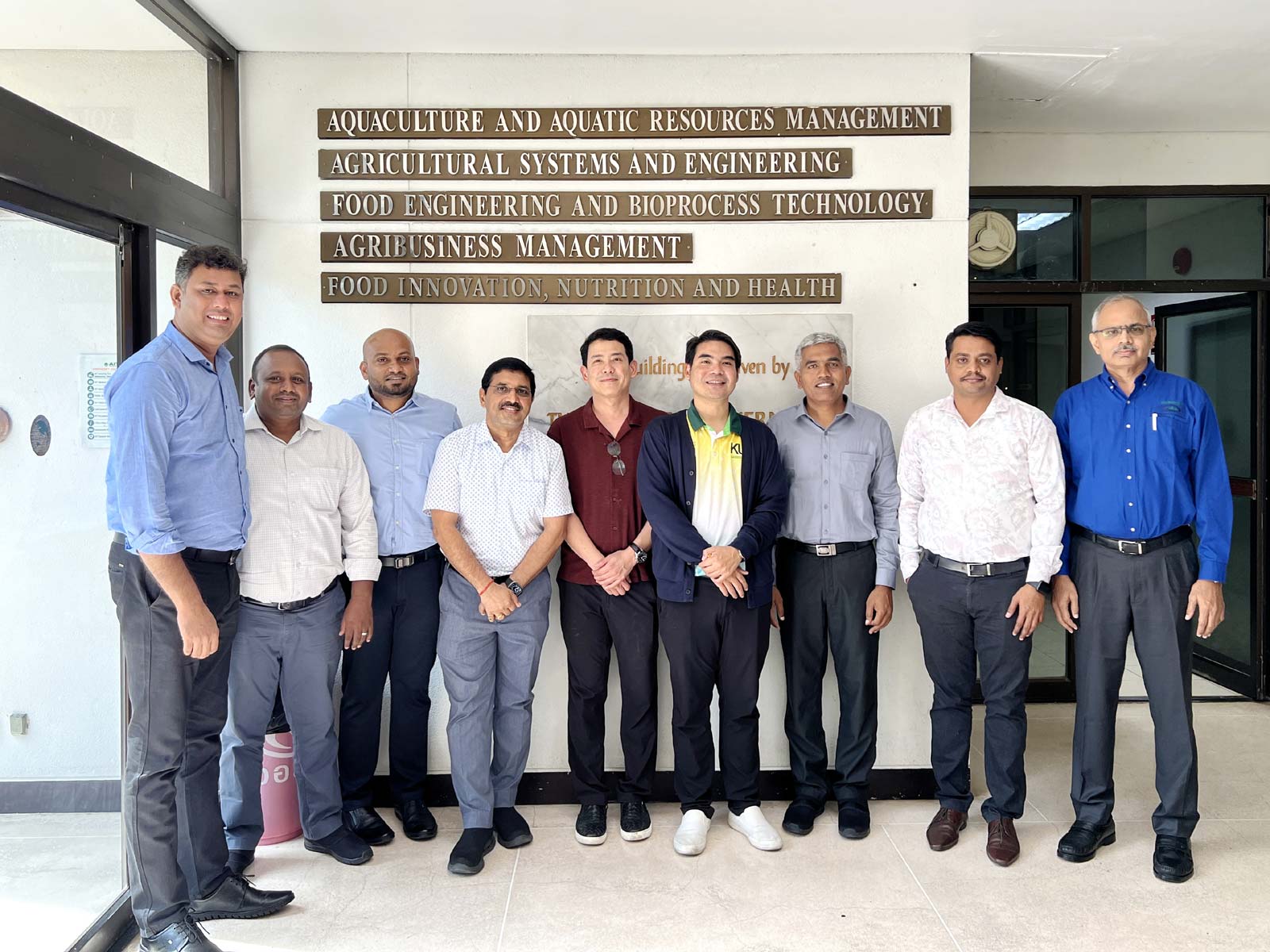
From November 25–29, 2024, the Aquaculture and Aquatic Resources Management (AARM) program at AIT held a professional short course on "Aqua-Feed for Future Aquaculture," spotlighting innovative feed solutions and sustainable practices.
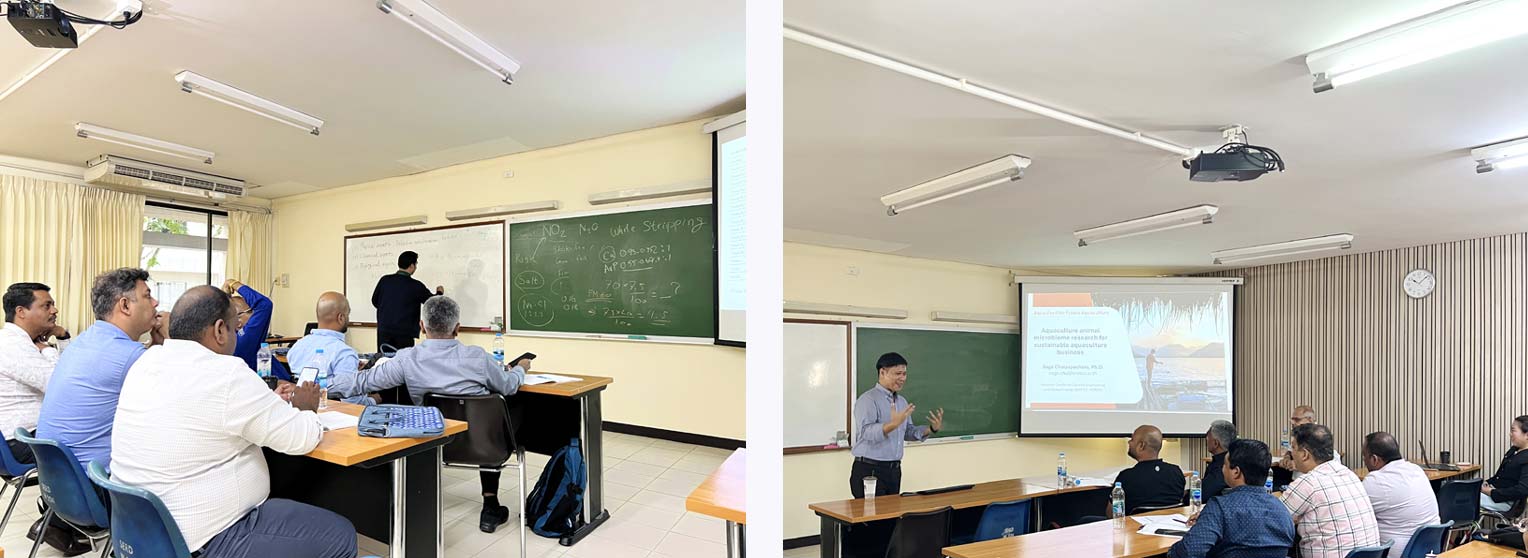
The program began with expert-led lectures covering feed ingredients, supplements, and additives, aquaculture animal microbiomes, oral vaccines, and the transformation of aquaculture through innovation and investment. Renowned researchers and industry leaders, including Dr. Noratat Prachom from Kasetsart University, Dr. Suttisak Boonyoung, Aquaculture Nutritionist, Dr. Sage Chaiyapechara from BIOTEC, NSTDA, Dr. Sasimanas Unajak from Kasetsart University, Ms. Montakan Tamtin, and Dr. Sawitri Silakes from Department of Fisheries (DoF), Thailand, shared their insights.
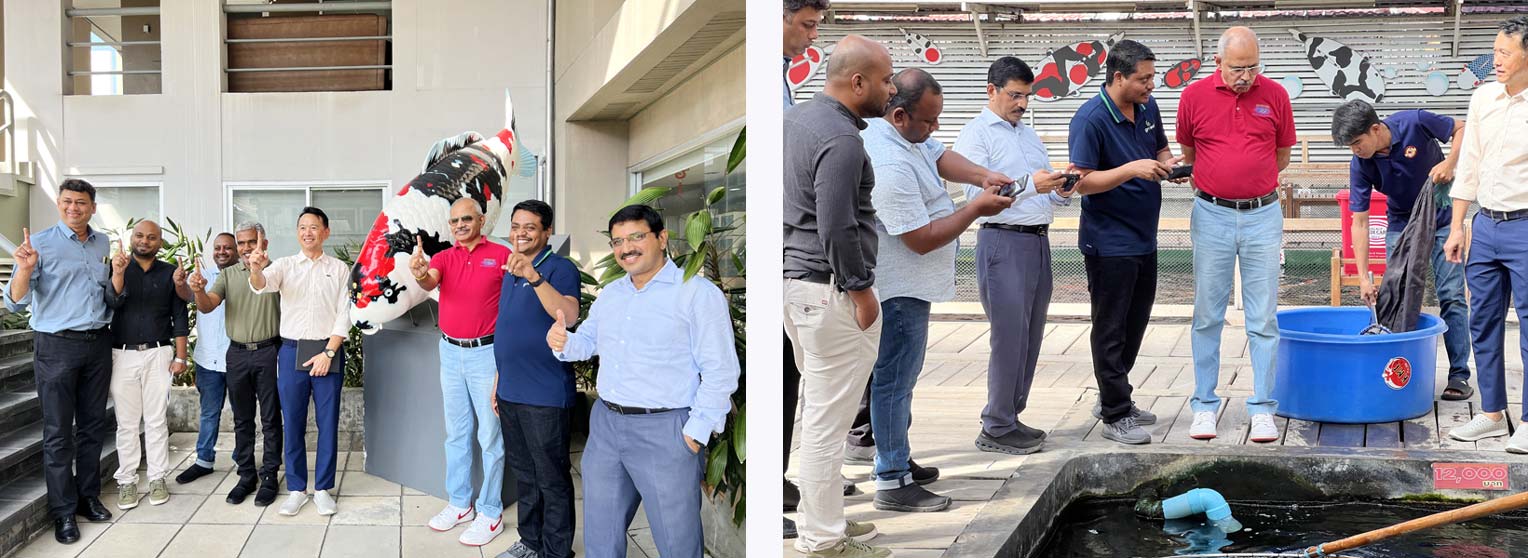
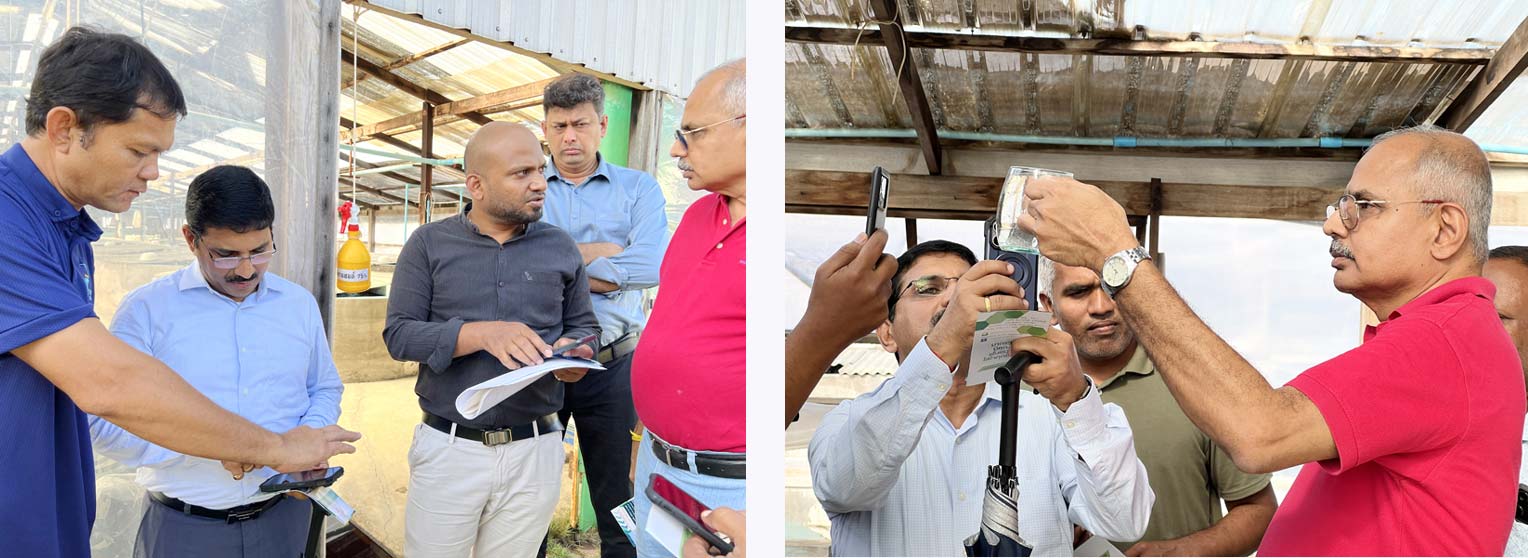
The field visits on days three and four, participants visited Koi Mart Farm, where they learned about advanced filtration systems and feed elimination techniques, key strategies for optimizing feed use and maintaining water quality. They also visited a shrimp farm in Chachoengsao Province, where they observed how feed innovations improve productivity and sustainability. At a commercial feed mill in Petchaburi Province, they gained firsthand experience of modern feed manufacturing processes and quality control practices.
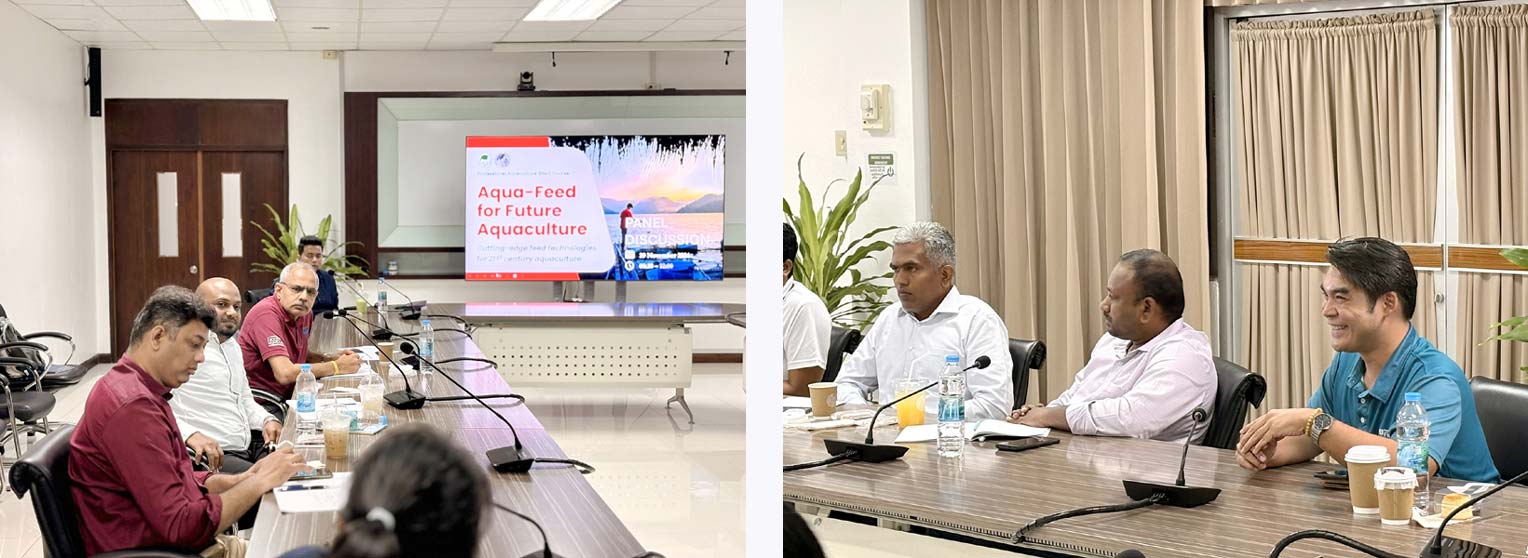
The course concluded with a panel discussion featuring industry experts, including Dr. Laddawan Krongpong, Director of the Aquatic Animal Feed Research and Development Division at DoF, Dr. Daranee Seguin, a specialist in aqua nutrition and formulation, Mr. Felix Collins, Founder of Full Circle Biotechnology, and Mr. Premsak Wanuchsoontorn, Executive Vice President for Aquaculture Research at CP Foods, exploring trends and innovations in aquafeed.
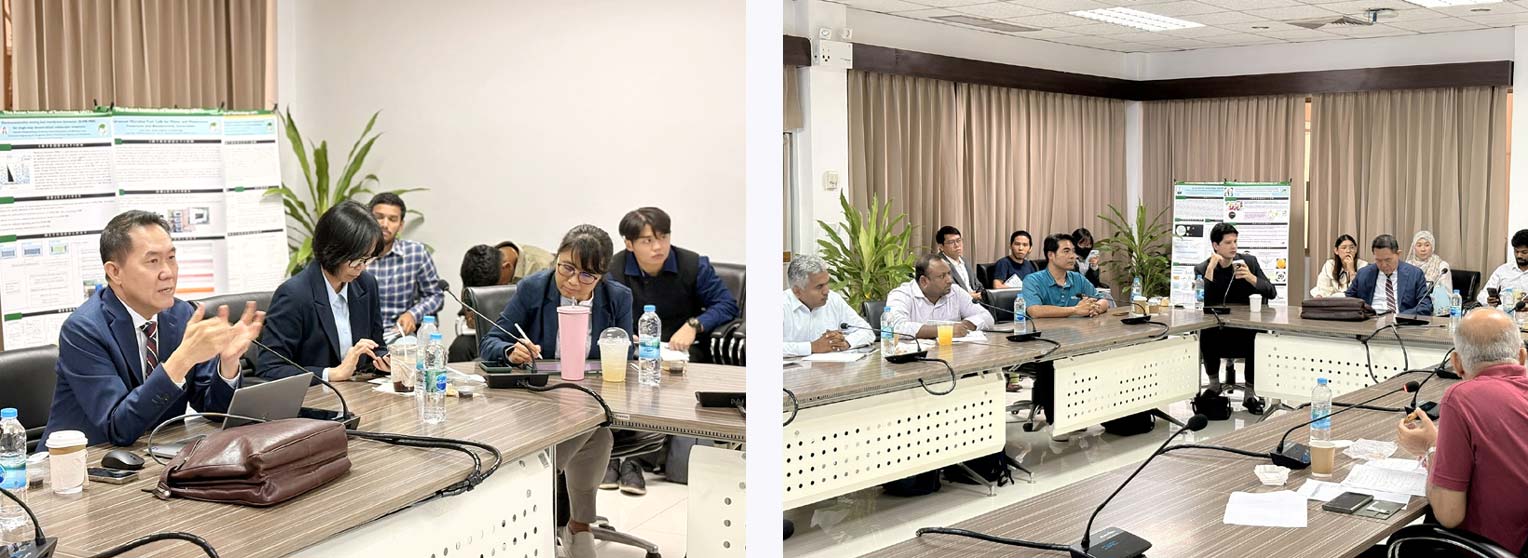
Participants, including representatives from the feed ingredients industry and the US Soybean Export Council, highlighted the importance of collaboration in advancing feed technology. This course emphasized how novel feed strategies can address global challenges in aquaculture while promoting efficiency and sustainability.